Before your first softwave
How to Prepare for Your First SoftWave Session
Preparing for your first SoftWave Therapy appointment is simple and straightforward. Here are a few practical tips to help you get ready:
Wear comfortable, loose-fitting clothing: This makes it easier to access the treatment area, especially if you're targeting joints like knees, shoulders, or hips.
Avoid applying lotions or oils to the treatment area on the day of your session.
Stay hydrated: Drinking water before and after the session supports cellular activity and helps your body respond more effectively to the therapy.
Eat a light meal before your appointment to avoid feeling lightheaded or fatigued.
Bring a list of symptoms or pain areas you’d like to discuss with your therapist or provider, especially if you have multiple concerns.
Arrive a few minutes early to complete any paperwork and speak with the provider about your goals and expectations.
You don’t need to take any medication beforehand, and there’s no special prep like fasting or sedation. Your therapist may do a short consultation before starting treatment to determine the best approach. With minimal preparation and no recovery time required, SoftWave Therapy is one of the most accessible options for people with active lifestyles or busy schedules.

What Happens During a Typical SoftWave Therapy Appointment
A first SoftWave Therapy session typically lasts around 20 to 30 minutes, depending on the area being treated and the complexity of your condition. It starts with a brief consultation, where your provider will review your medical history, discuss your symptoms, and pinpoint the areas causing pain or dysfunction.
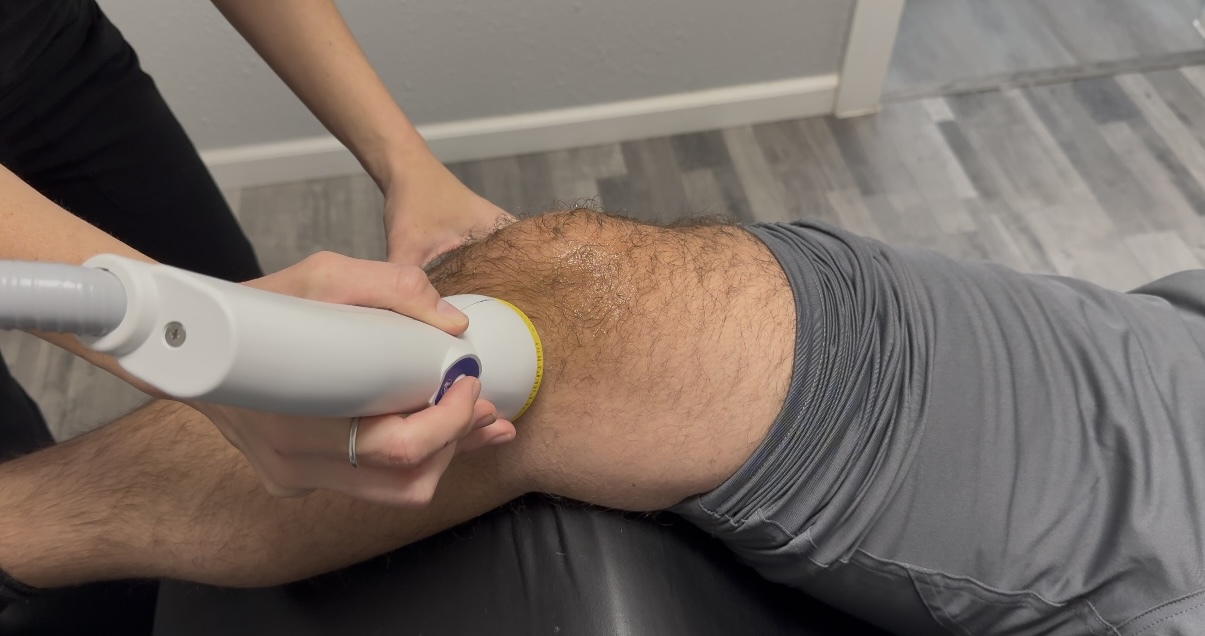
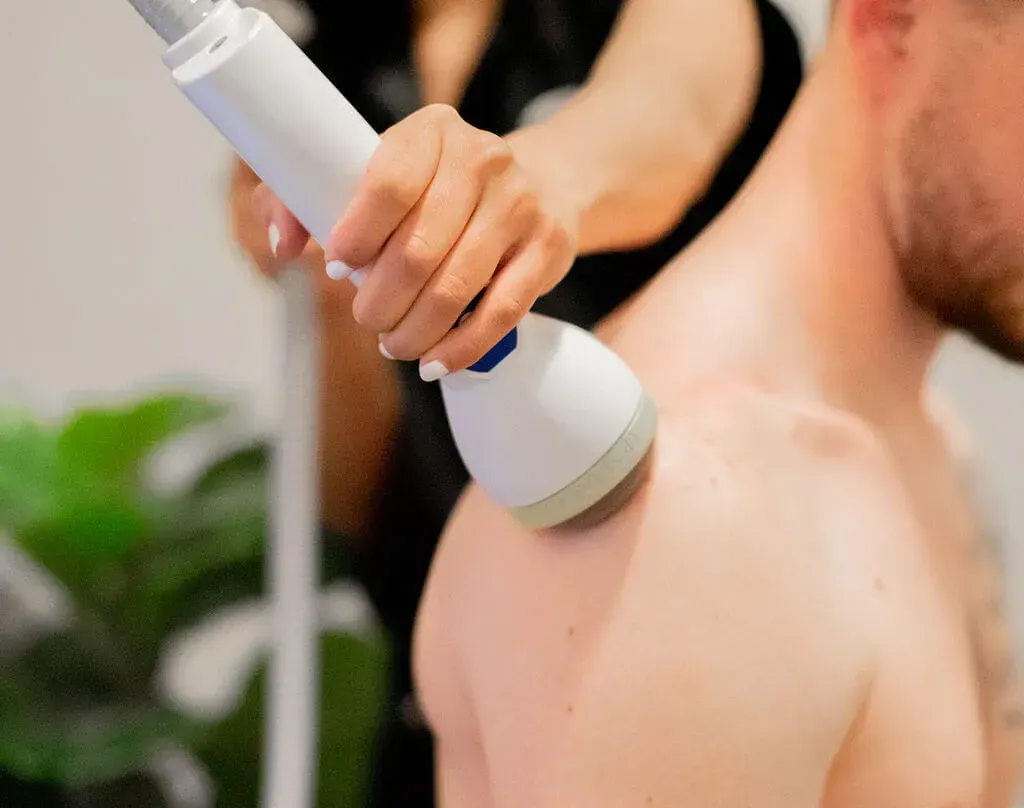
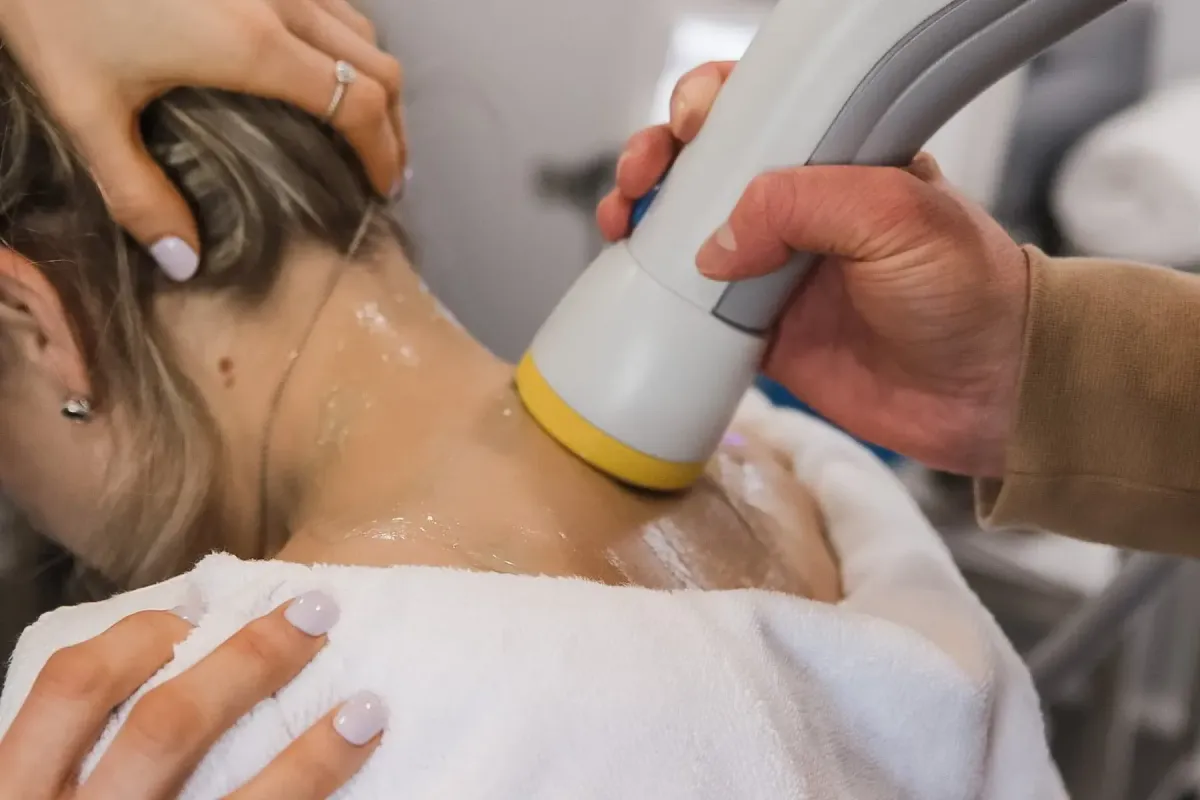
Once the target area is identified, a gel is applied to your skin to help transmit the acoustic waves. The therapist will then use a handheld SoftWave device to deliver high-energy sound pulses directly to the area. The process is entirely non-invasive, and while the waves may cause brief discomfort—especially in areas of inflammation or scar tissue—most patients tolerate it well.
Throughout the session, the therapist may adjust the intensity based on your pain tolerance and the body’s response. You might feel a tapping or pulsing sensation as the waves penetrate the tissue. The goal is to stimulate healing without causing damage, and many patients describe the experience as unusual but not painful.
After the treatment, you can return to your normal activities right away. There’s no downtime, and most people feel either immediate relief or a noticeable loosening of tight muscles or joints. Your provider will explain what to expect next and whether additional sessions are recommended based on your goals.
What You May Feel During and After Treatment
During a SoftWave Therapy session, sensations can vary depending on the area treated and your pain sensitivity. Here’s what you might experience:
Mild discomfort: Some areas, especially those with inflammation, may feel tender during the session. This is usually brief and tolerable.
Tingling or tapping: The acoustic waves often produce a rhythmic tapping or pulsating feeling in the tissue.
Warmth or pressure: Some people feel a warming sensation as blood flow increases in the treated area.
Muscle twitching: Occasionally, the waves can trigger small, involuntary muscle twitches—this is normal and usually painless.
After the session, most patients report:
Immediate relief or reduced pain: Some experience noticeable improvement after just one treatment.
Soreness or tenderness: Mild soreness in the treated area can occur, similar to post-workout muscle fatigue.
Improved mobility: Joints and muscles often feel looser or easier to move.
These sensations are all signs that your body is responding to the therapy. It’s important to monitor how you feel in the days following treatment and report any significant changes to your provider. Most people tolerate SoftWave Therapy well, and any post-session effects typically subside within 24 to 48 hours.
Post-Session Care and Expected Results
After your SoftWave Therapy session, you can return to your daily routine without restrictions. There’s no downtime, injections, or medication needed. However, paying attention to how your body responds is key to maximizing your results.
You may feel some mild soreness or tingling in the treated area for a day or two, similar to how muscles feel after physical therapy. This is a normal part of the healing response. It's best to avoid intense physical activity for the first 24 hours to allow your body to adjust and recover. Staying hydrated and getting adequate rest can also support your body's natural repair processes.
In terms of results, some people feel better immediately after the first session, while others require multiple treatments to notice significant improvements. Your provider will typically recommend a treatment plan over multiple weeks, depending on your condition.
Over time, patients often report reduced pain, better joint function, and increased range of motion. Because SoftWave Therapy addresses the underlying cause of pain—not just the symptoms—many people experience long-lasting relief and improved quality of life. Consistency is key, so be sure to attend all recommended sessions to get the most benefit from your therapy plan.
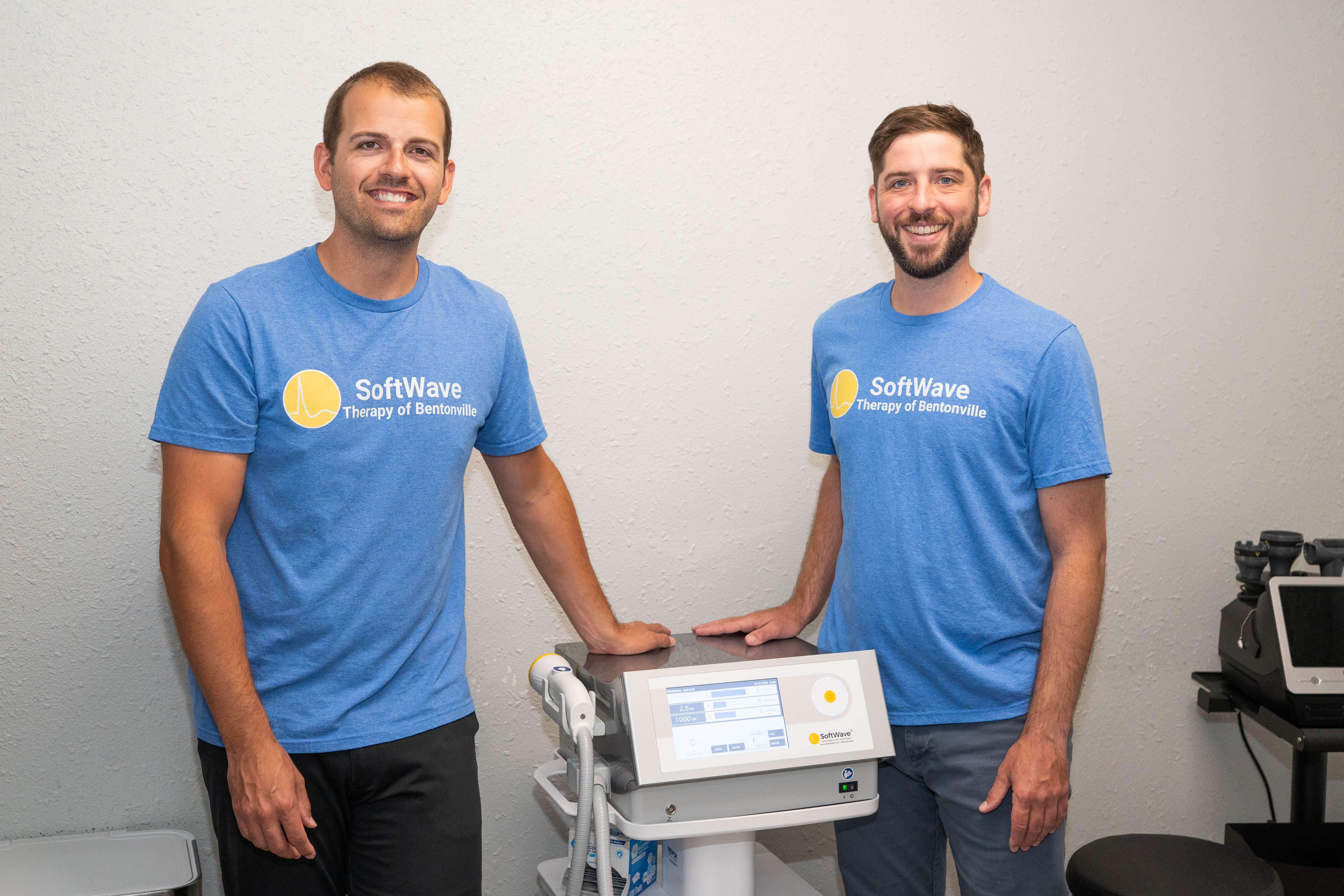
If you're looking for a safe, non-invasive way to relieve pain and promote healing, schedule your first SoftWave Therapy session with Reform Chiropractic & Joint Health today. Under the expert care of Dr. Parker Swiggart, DC or Dr. Joe Petrella, DC, you’ll receive personalized treatment designed to target the root cause of your discomfort—not just the symptoms. Don’t wait to take control of your health and recovery. Contact Reform Chiropractic & Joint Health now to start your journey toward lasting relief and improved mobility.
What is SoftWave Therapy?
Information
SoftWave Therapy of Bentonville located inside Reform Chiropractic & Joint Health

2308 SE 28th St
Bentonville, AR 72712

Call Us
479-250-9834

© 2026 Reform Chiropractic & Joint Health - All Rights Reserved.